Click-Through Rate (CTR) is the percentage of clicks on your link that generate impressions. CTR is broadly applicable to links on web pages and in emails and advertisements. Used for email marketing or digital advertising, CTR is one of the most popular measures of campaign performance.
If your digital ad is seen 5,000 times and generates 100 clicks, your CTR is 100 clicks / 5,000 impressions = 2% CTR
If your campaign delivers 1,600 emails and generates 200 clicks, your CTR is 200 clicks / 1,600 emails delivered = 12.5% CTR
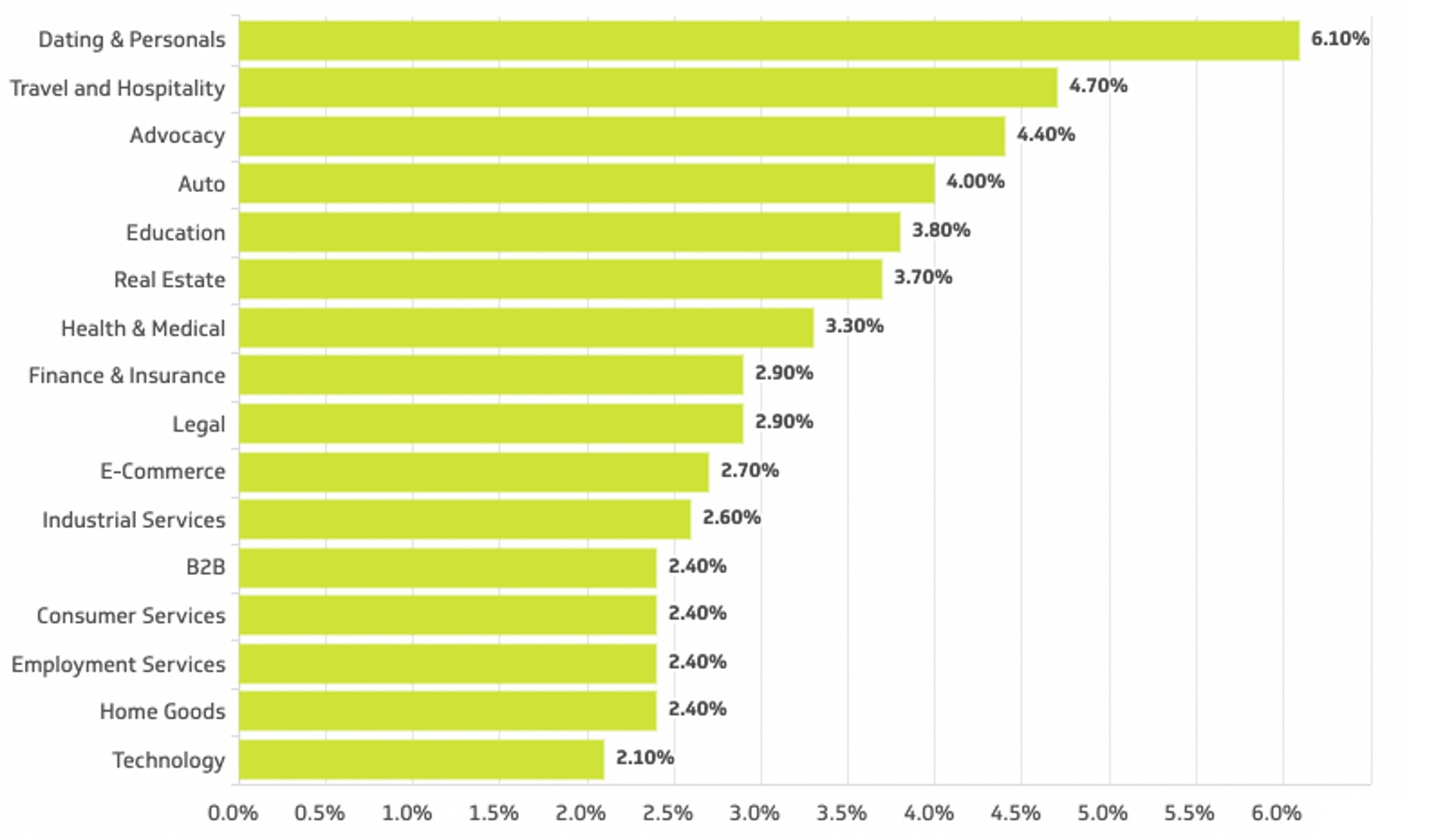
The global average paid advertising click through rate, according to 2019 Wordstream data, is 0.5% for display and 3.2% for search.
The best way to visualize CTR is either with a line chart to identify changes in the trend or a summary chart to compare the current value to a previous time period. You can also segment your CTR by ad campaign to identify he best and worst performers.
CTRs are a great way to test and refine the value you are offering your target market. It's a good habit to always treat each campaign as a test and to learn from the messaging you put in front of your audience. A high CTR is a good indication that your ad is compelling and your target market has a need.
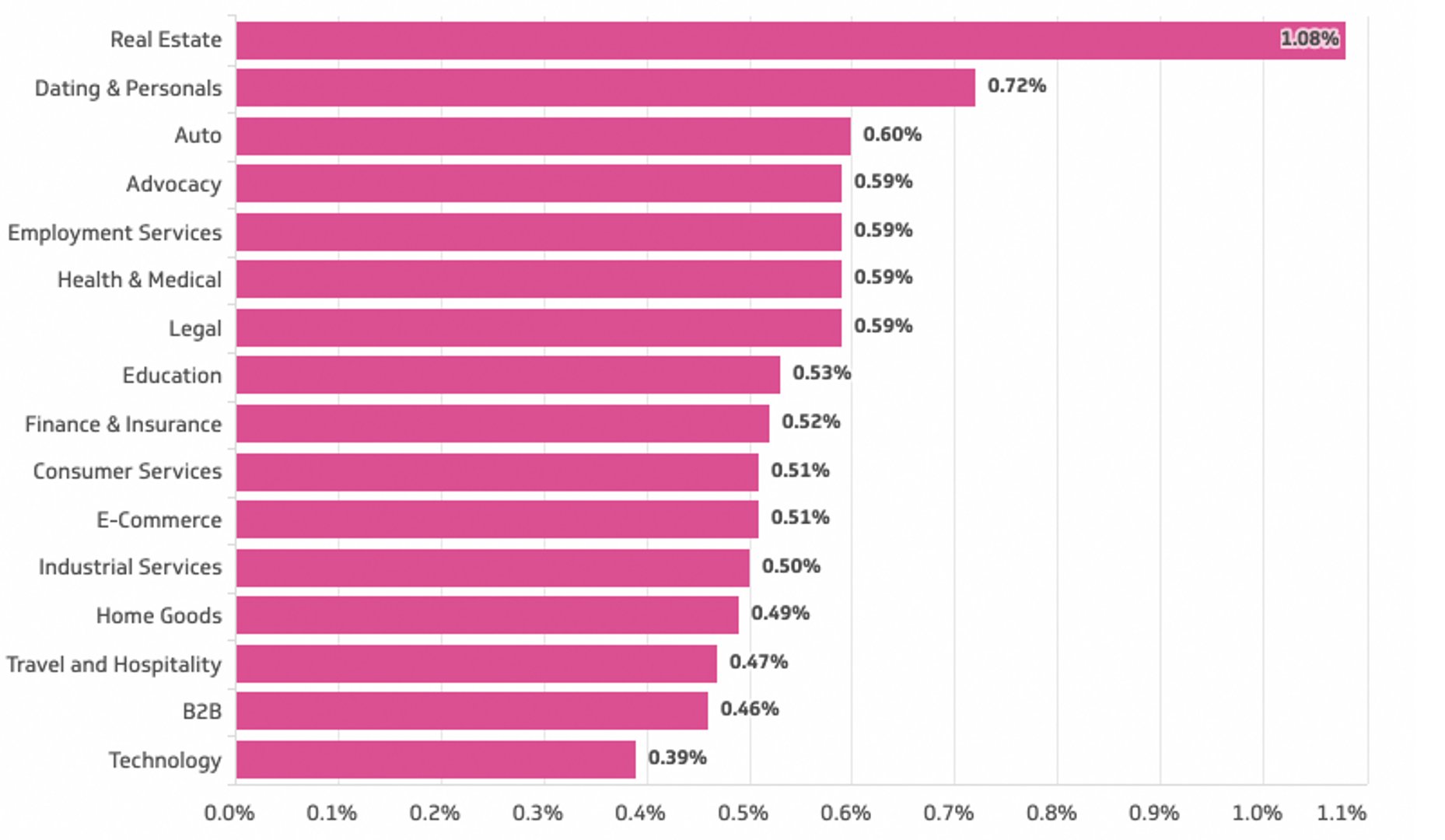
CTRs vary according to the value of your brand and from market to market. CTR is based on your budget and your ability to buy visibility. One clear example can be seen by comparing Search CTRs and Display CTRs. Display advertising, where you will generate lots of impressions, generally sees a CTR of 0.35%. Search advertising, where user intent is much higher, will see CTRs six times higher than Display.
It’s important to follow through on the user's journey and fulfill the expectation the link promised. A great CTR is wasted if a user's expectations are not met when they follow your link.