Cost Per Click (CPC) is the price an advertiser pays a publisher each time a user clicks on an ad or link. CPC applies across search engines, social platforms, and display networks, and is the core pricing unit in Pay-Per-Click (PPC) advertising. Tracking CPC helps advertisers evaluate spend efficiency, set budgets, and compare performance across channels.
Your campaign receives 10 clicks. Two clicks cost $0.50 each, three cost $0.40 each, and five cost $0.20 each — a total spend of $3.00.
$3.00 / 10 clicks = $0.30 average CPC
That $0.30 is your benchmark for evaluating efficiency. If your conversion rate and average order value make that cost worthwhile, the campaign is working.
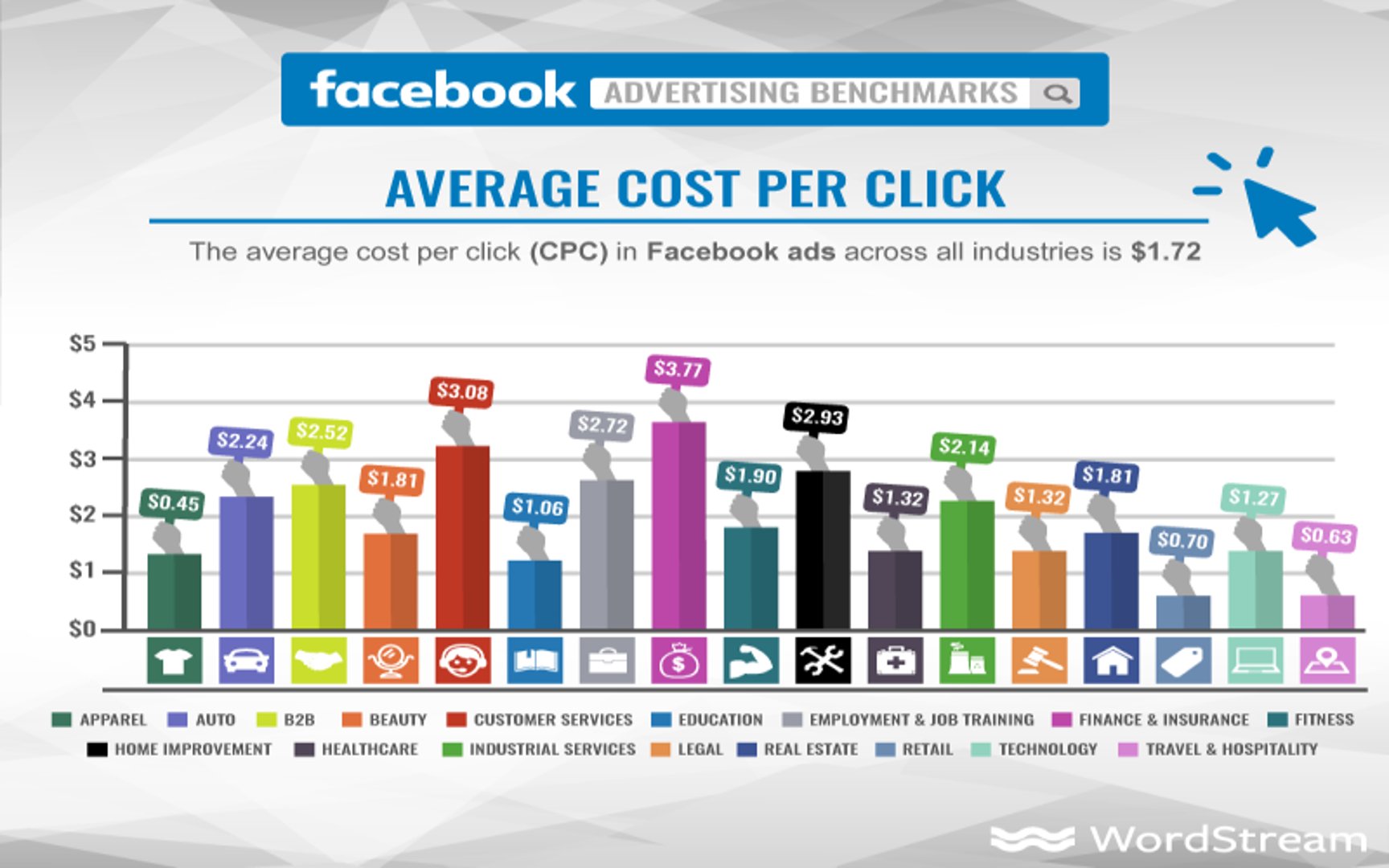
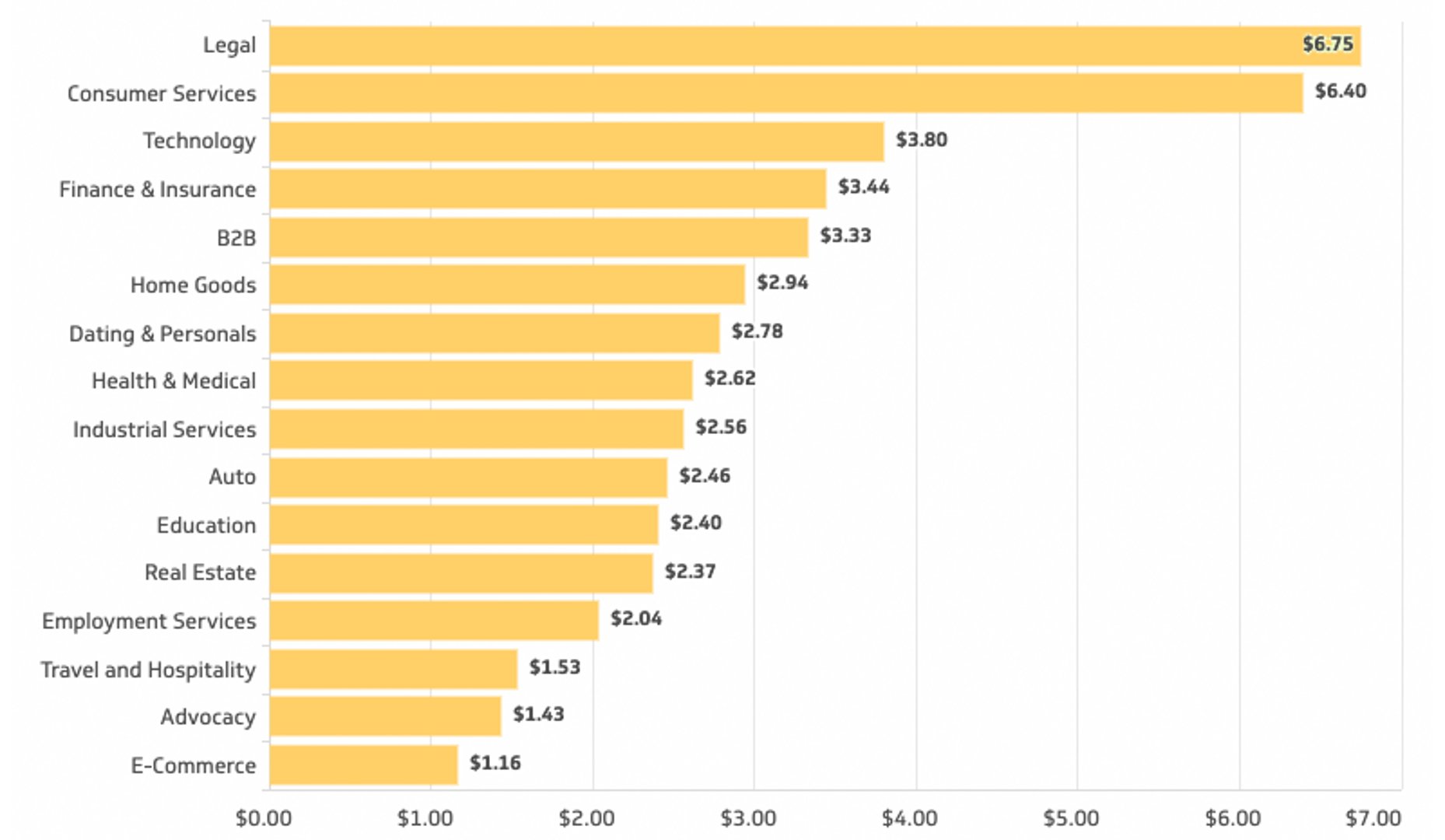
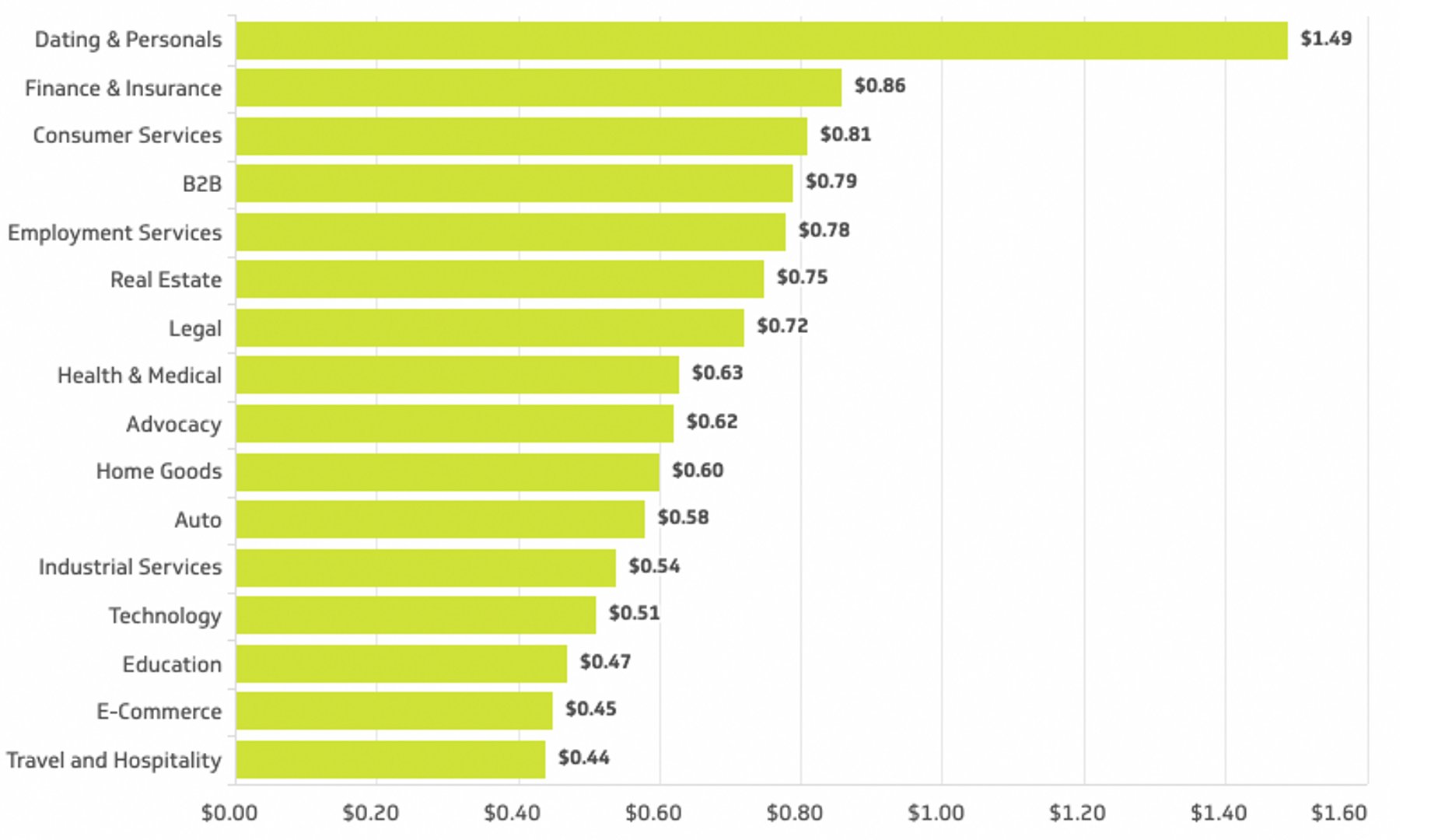
CPC benchmarks vary by platform and industry.
Google Search averages $2–$4 globally, with competitive industries (legal, finance, insurance) often exceeding $10–$50 per click.
Google Display typically ranges from $0.50–$1.00.
Meta (Facebook/Instagram) averages $0.50–$2.00 depending on audience and objective.
LinkedIn often runs $5–$15+, reflecting its professional B2B audience.
Always benchmark against your own historical data first, as industry averages shift with competition, seasonality, and platform changes.
There are a couple ways you can visualize your CPC data. Use a bar chart to segment your CPC by campaign. You can also use a summary chart to compare your current CPC with a previous time period.
CPC vs. PPC: what's the difference?
The terms Cost Per Click and Pay-Per-Click (PPC) are often used interchangeably, but they refer to different things.
PPC is the advertising model — you pay only when someone clicks, not when your ad is shown.
CPC is the specific dollar amount you pay per click within that model.
Think of PPC as the pricing structure and CPC as the price tag.
Search vs. display: two very different CPCs
Not all clicks cost the same. The channel you advertise on has a significant impact on your CPC.
| Channel | Typical CPC range | User intent | Click-through rate |
|---|
| Search (e.g., Google) | Higher | High — actively searching | Lower volume, higher quality |
| Display (e.g., banner ads) | Lower | Lower — passive browsing | Higher volume, lower quality |
| Social (e.g., Meta, LinkedIn) | Varies by platform | Mixed | Depends on audience and creative |
Search advertising places your ad in front of users actively looking for what you offer. That intent drives higher conversion rates — and higher CPCs. Display advertising reaches broader audiences at lower cost per click, but those clicks convert less reliably.
The right mix depends on your goal. If you're building brand awareness, display and social can deliver strong reach efficiently. If you're targeting users ready to act, search typically delivers better return despite the higher CPC.
What affects your CPC
Several factors push CPC up or down, many of which you can influence directly.
Quality score: Google and other platforms reward ads that are relevant, well-structured, and linked to strong landing pages. A higher quality score lowers your CPC for the same ad position. Investing in ad copy and landing page experience pays off in reduced costs.
Keyword competition: High-demand keywords in competitive industries carry higher CPCs. Long-tail keywords — more specific, lower-volume phrases — often cost less and attract more qualified traffic.
Audience targeting: Narrower targeting on social platforms can increase CPC but improve conversion rates. Broad targeting lowers CPC but may dilute quality.
Bid strategy: Manual bidding gives you direct control over CPC. Automated bidding strategies (like target CPA or maximize conversions) adjust bids dynamically, which can lower average CPC over time as the platform learns.
Ad relevance and format: Ads that closely match user intent earn better placement at lower cost. Test formats — responsive search ads, video, display — to find what works for your audience.
How to use CPC effectively
CPC is most useful when paired with other metrics. On its own, a low CPC isn't necessarily good — it only matters if those clicks lead to meaningful outcomes.
Here's how to put CPC in context:
- Pair CPC with Click-Through Rate (CTR): A high CTR with a low CPC signals strong ad relevance and efficient spend.
- Connect CPC to conversion rate: A $5.00 CPC is sustainable if 10% of clicks convert and each conversion is worth $200. A $0.50 CPC is wasteful if nothing converts.
- Calculate cost per acquisition (CPA): CPA = CPC / Conversion rate. This tells you what you're actually paying to acquire a customer or lead, not just a click.
- Monitor CPC trends over time: Rising CPC in a stable campaign may indicate increased competition or declining quality score. Falling CPC with stable volume is usually a positive signal.